According to a report by The Decoder, Kling AI has released version 4.0 of its video generation model. The update introduces several new capabilities, including native stereo audio, multilingual lip sync, and support for video clips lasting up to early-generation limits of 30 seconds. The model now accepts up to ten keyframe images as input and expands prompt comprehension to 8,000 tokens. Additionally, the developers introduced a lighter Flash variant.
Performance Context
In early benchmark comparisons alongside models like Wan 3.0 and Seedance 2.5, Kling 4.0 performs competitively without pulling significantly ahead of its peers. Industry observers note this relative parity may indicate that the rapid pace of advancement in AI video generation is beginning to plateau, shifting focus toward feature integration and efficiency rather than raw capability leaps.
Unanswered Questions
The initial announcement left several technical and operational details unaddressed. Specifically, the rollout schedule for the lighter Flash variant and the exact availability timeline for features like stereo audio and multilingual lip sync were not specified. Furthermore, system requirements and API pricing details for handling 8,000-token prompts and ten-image inputs remain unknown.
Users will need to wait for further updates from the development team to understand the full scope and accessibility of Kling 4.0’s new feature set.
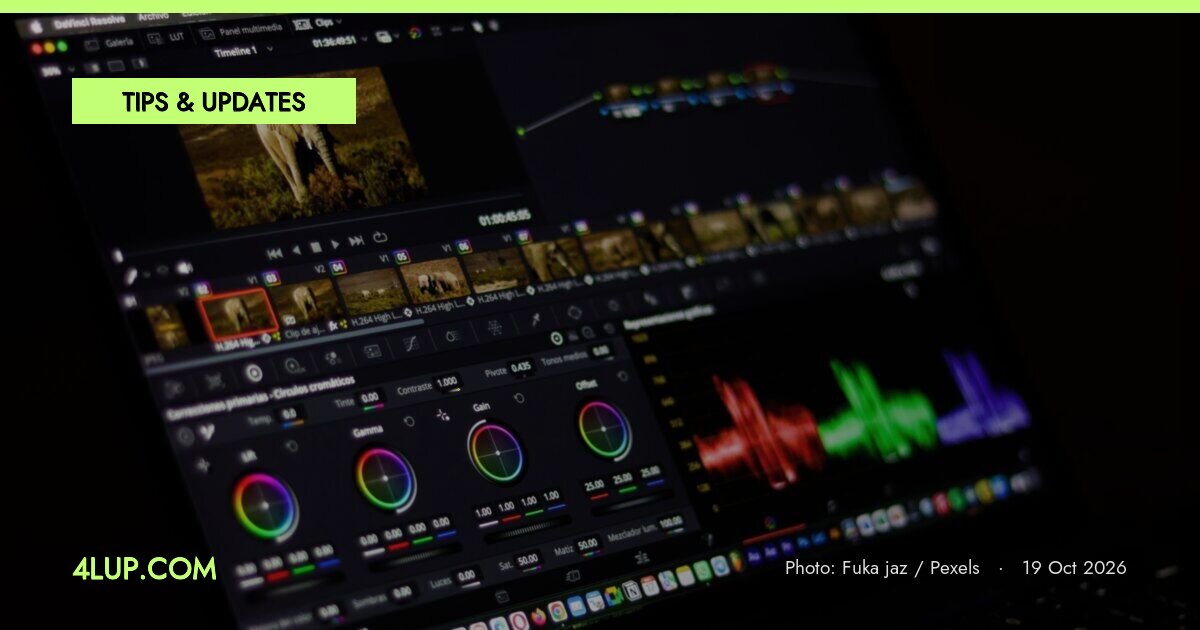
Lead image: Fuka jaz / Pexels