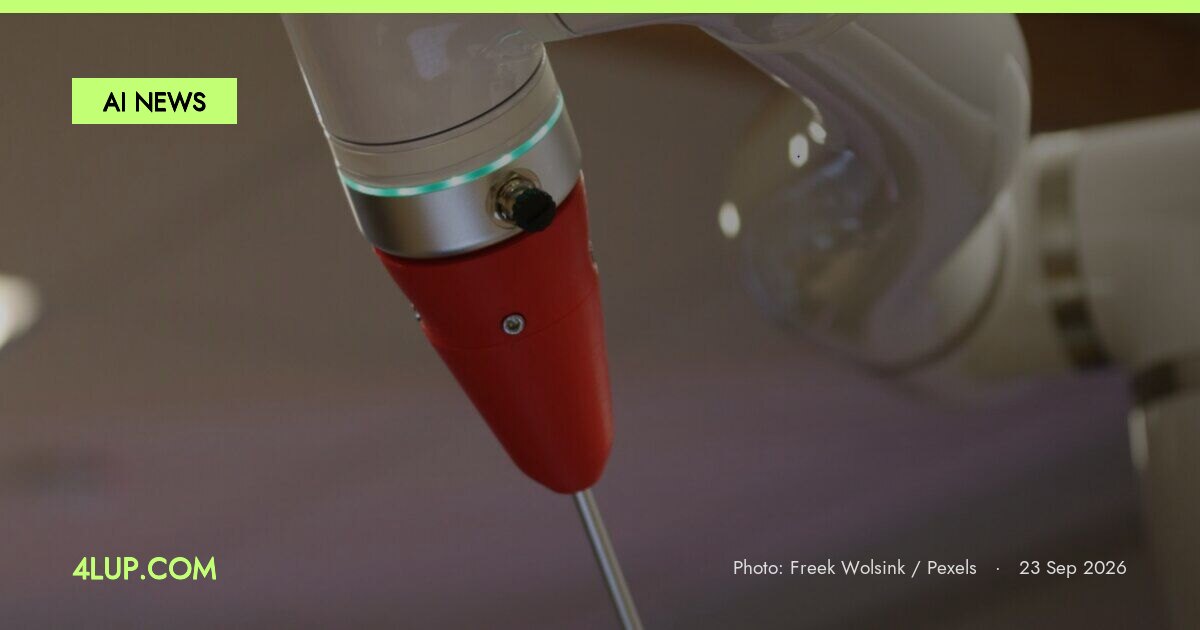
A new benchmark called TriWorldBench has been introduced in recent research reported by arXiv cs.AI to evaluate embodied world models. These models predict the outcomes of robot actions to help with learning and planning. Robots often use multiple cameras, such as a head-mounted camera to capture the overall task and wrist-mounted cameras to show local gripper and object interactions. However, past evaluation methods looked at these views independently, making it difficult to confirm if they described the exact same action and object state at the same time. To solve this, TriWorldBench uses synchronized head, left-wrist, and right-wrist videos across 500 episodes and 50 bimanual manipulation tasks.
The Challenge of Multi-View Consistency
In robotic manipulation, predicting how the physical world reacts to an agent’s commands requires synthesizing multiple perspectives coherently. When a robot performs tasks using two arms, coordinating visual data from a global viewpoint and local end-effector viewpoints becomes crucial for successful task planning. Evaluating these models jointly across synchronized camera streams addresses a major gap in testing how well synthetic environments align with reality. Without multi-view consistency checks, models might predict plausible outcomes for individual cameras that contradict each other in three-dimensional space.
Unanswered Questions and Future Outlook
The announcement did not specify the exact technical architecture required to run TriWorldBench, nor did it detail the computational resources needed to process the synchronized video feeds. Furthermore, the publication did not outline a timeline for when or if the benchmark dataset will be made publicly available for wider academic and industry adoption. Observers will need to watch for future releases from the researchers to see how different robotic architectures score on the multi-view consistency tasks.
TriWorldBench marks a step forward in how researchers measure the physical understanding and predictive capabilities of embodied artificial intelligence systems.
Lead image: Freek Wolsink / Pexels