Hugging Face recently reported on methods for utilizing NVIDIA Warp and MjWarp to accelerate robotics simulation and learning workflows. The development targets how researchers and engineers process simulation tasks, aiming to speed up the foundational pipelines used to train robotic systems.
The Role of Simulation in Robotics
Accelerating simulation and learning workflows is a central challenge in robotics development. Training physical robots directly in the real world is often slow, costly, and hazardous to equipment. Software-based simulation allows algorithms to learn complex behaviors in virtual environments before deployment on physical hardware. Tools like NVIDIA Warp and MjWarp are designed to handle the heavy computational demands of these virtual testing grounds, though the specific performance metrics and system requirements were not detailed in the report.
What Remains Unclear
While the utility of NVIDIA Warp and MjWarp in streamlining robotics workflows is evident, several important details are currently missing. The announcement did not specify the exact hardware configurations required to achieve optimal acceleration, nor did it provide benchmarks comparing these tools directly against existing simulation frameworks. Furthermore, the report did not outline integration timelines or compatibility constraints for different robotic platforms. Developers and researchers will need to monitor future updates from the developers for implementation guides and comprehensive technical documentation.
As robotics simulation continues to evolve, tools that reduce computation time remain critical to bridging the gap between virtual training and real-world application.
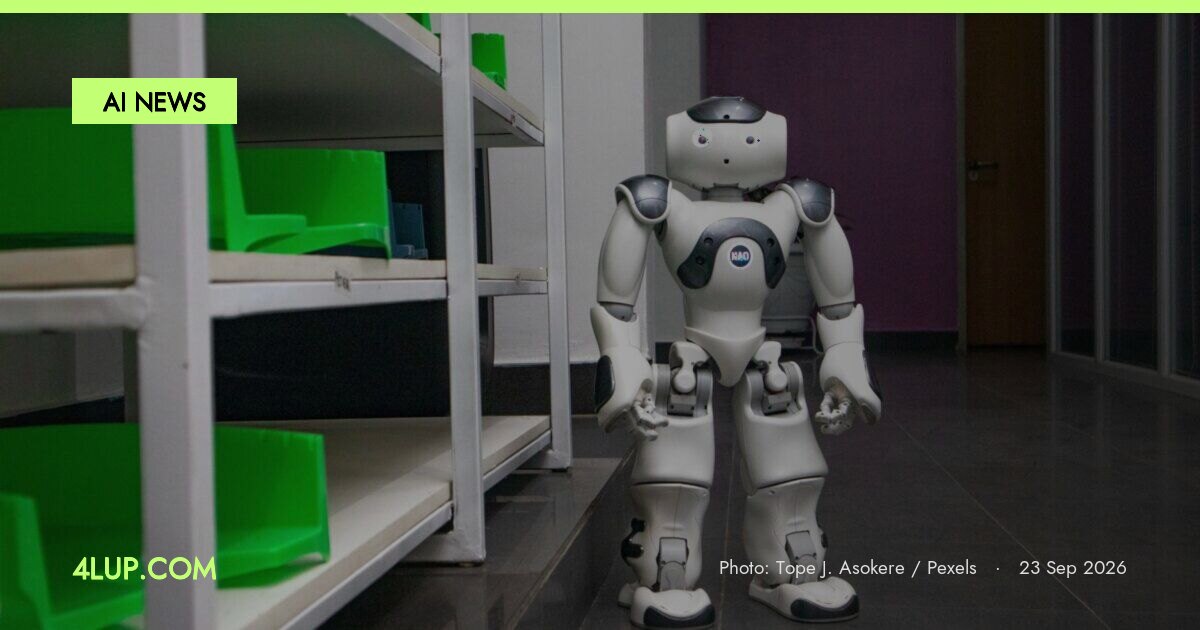
Lead image: Tope J. Asokere / Pexels