Researchers have introduced Robot Agentic Programming from Demonstrations, a new system designed to bridge the gap between advanced coding agents and physical robotic hardware. According to a recent preprint spotted on arXiv cs.AI, the method allows an automated framework to generate, verify, and refine functional robot programs based entirely on a single visual human demonstration.
Translating Vision Into Executable Code
Coding agents have gained significant traction for solving intricate software engineering challenges, but adapting this capability for robotics has traditionally required extensive manual programming or vast training datasets. The new approach relies on an iterative agentic loop to write and test code. This process depends on specific components, including a testable task specification, predefined action primitives for hardware execution, and an interactive environment where the system can test and refine its programs. The framework infers these crucial requirements directly from watching a person perform the task.
Unknowns and Future Outlook
Despite the promise of automating robot programming from simple visual inputs, several practical questions remain unanswered at this stage. The announcement did not specify the types of hardware platforms tested, the computational resources required to run the agentic refinement loop in real time, or how the system handles complex, occluded, or highly variable human movements. Observers will need to watch for future peer-reviewed publications or code releases to determine how well the framework scales outside of controlled testing environments.
As research into embodied AI continues to evolve, methods that reduce the friction of programming physical systems will remain an important area to monitor.
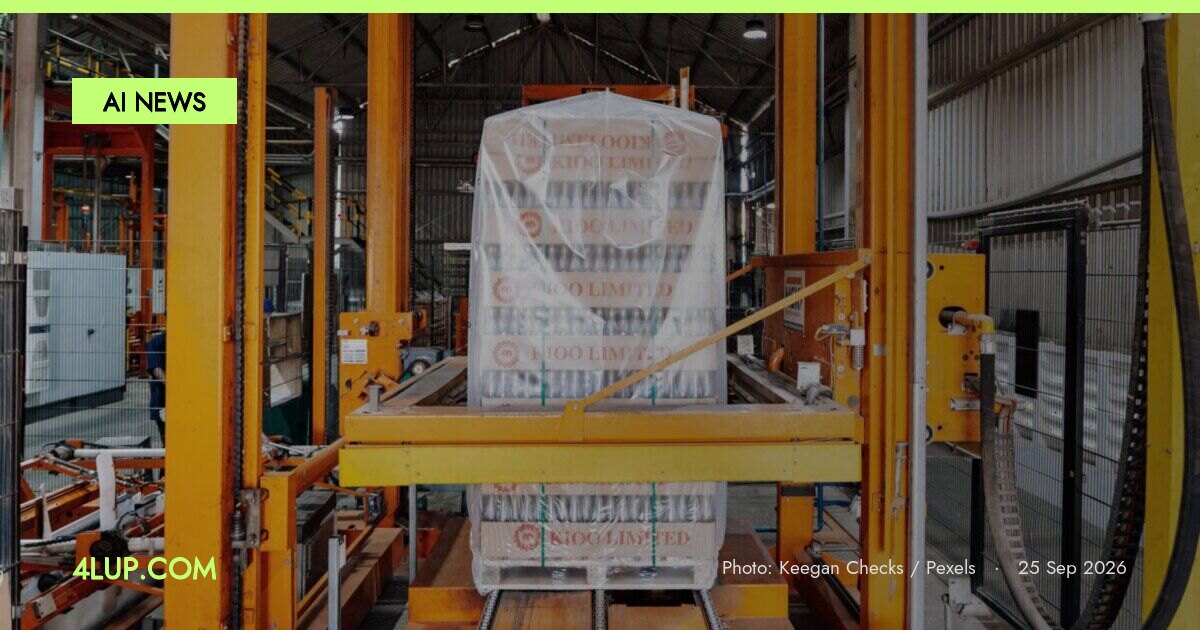
Lead image: Keegan Checks / Pexels