According to arXiv cs.AI, researchers have introduced Underwater C3-JEPA, a predictive world model designed for near-field heavy-load underwater remotely operated vehicle salvage operations. The system processes synchronized multi-view RGB observations and vehicle control signals without relying on contact sensors. By encoding camera feeds into task-object and context tokens, the model utilizes held-out-view attention to fuse cross-camera evidence and predict how the task-object state evolves in latent space during contact interactions and under hydrodynamic lag.
Understanding World Models in Robotics
World models allow robotic systems to simulate the consequences of actions within an internal representation before executing tasks in physical environments. In marine robotics, predicting interactions involving heavy loads is particularly challenging due to fluid dynamics, visibility limitations, and the absence of direct tactile feedback. Predictive architectures that integrate control signals with visual inputs aim to improve autonomy and precision in complex underwater settings.
What Remains Unclear
The available information does not specify hardware requirements, inference speeds, or the computational resources needed to run the model in real-time aboard an ROV. Additionally, the announcement did not specify dataset sizes, training methodologies, or performance benchmarks compared to existing marine robotics algorithms.
Further technical details regarding deployment feasibility will determine how quickly this approach transitions from research to field testing.
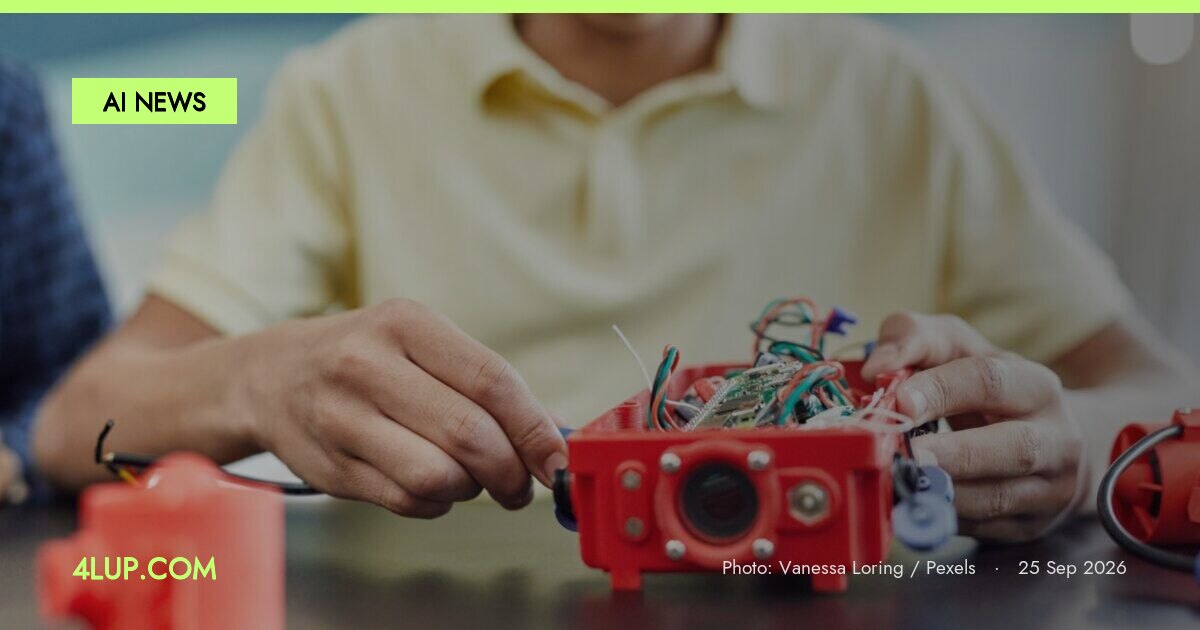
Lead image: Vanessa Loring / Pexels