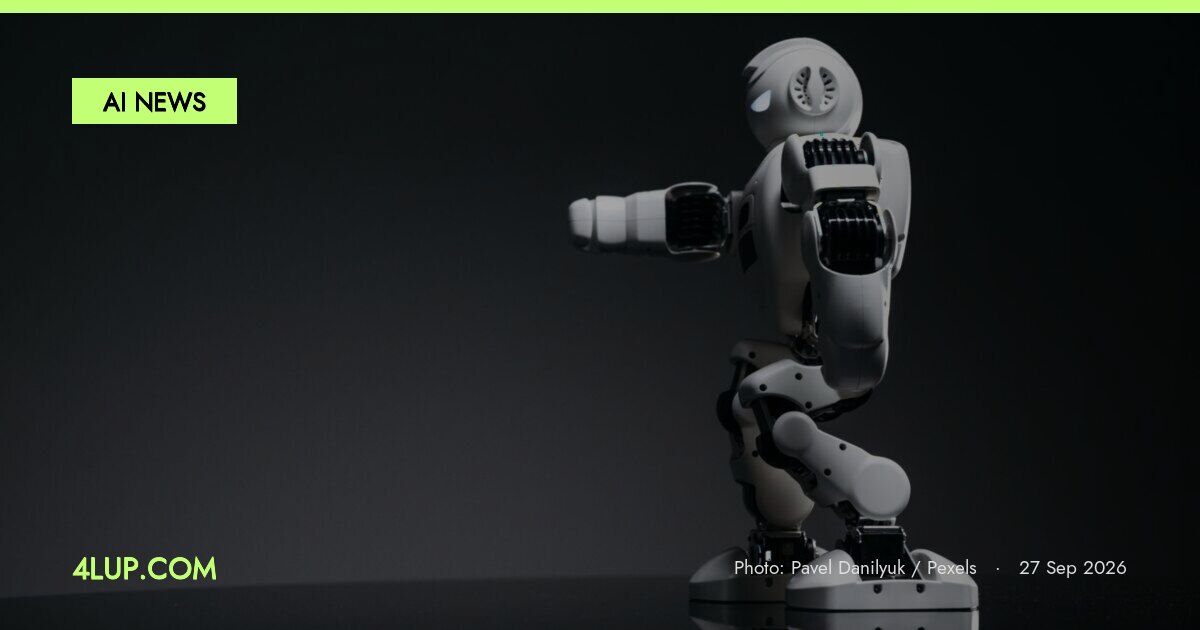
Researchers from Stanford and Caltech have tested a new humanoid robotic system called HomeBody, powered directly by GPT-6 Astra. As reported by The Decoder, the setup allowed the language model to manage an unfamiliar kitchen environment without relying on a specially trained control layer. Instead, the model called directly into modular capabilities such as grasping and navigating to independently tidy the space.
The Architecture of HomeBody
Traditional robotics often require complex, task-specific intermediate layers to translate high-level commands into physical actions. The HomeBody approach of connecting a large language model directly to low-level modular skills represents a shift in how embodied AI systems might coordinate perception and physical movement. By bypassing traditional control layers, the system relies on the underlying model to reason through spatial arrangements and direct the robot’s physical components.
Open Questions and Unknowns
The available reports leave several technical and logistical points unaddressed. The announcement did not specify the exact hardware specifications of the humanoid robot used in the trial, nor did it disclose benchmarks for success rates or execution times during the kitchen cleanup. Additionally, details regarding latency, safety guardrails, and compute requirements were omitted from the initial disclosure. Observers will need to watch for future academic papers or technical documentation to understand how the system handles edge cases and physical errors.
Further testing will determine whether this direct integration model scales reliably to less structured environments and more complex physical tasks.
Lead image: Pavel Danilyuk / Pexels