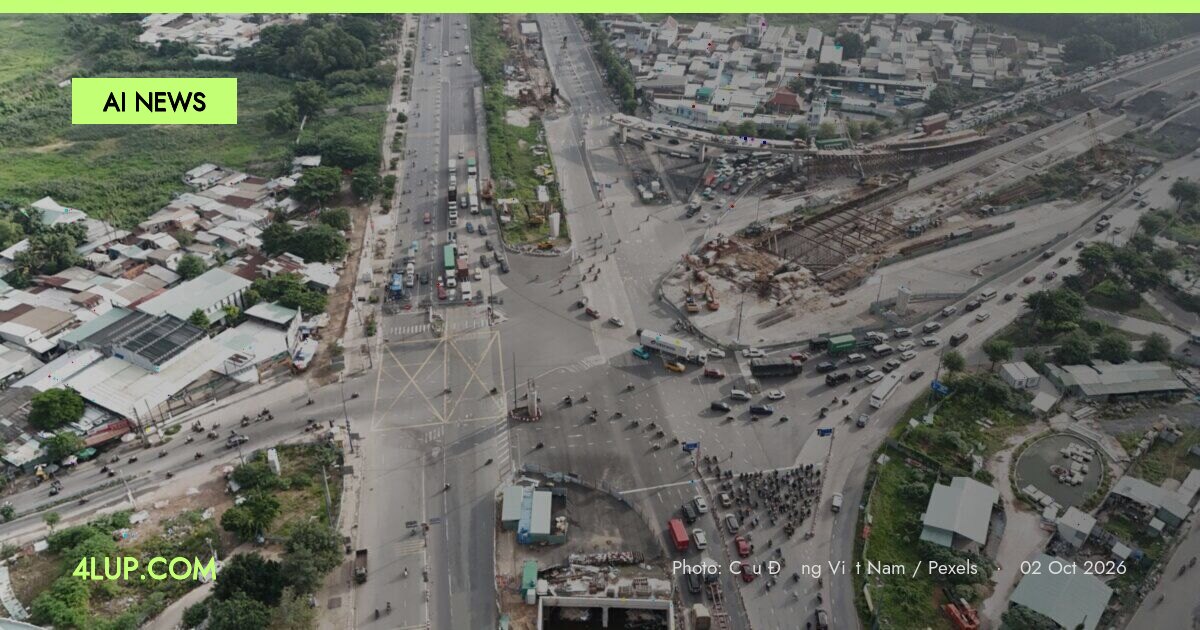
Associate Professor Cathy Wu is applying reinforcement learning to address challenges in transportation and other multifaceted systems, according to a recent report by MIT News. The computational tools developed in her work are designed to help map out structural improvements for infrastructure that involves many interacting parts.
The Role of Reinforcement Learning in Infrastructure
Reinforcement learning is a subfield of machine learning where an agent learns to make decisions by taking actions in an environment to achieve a goal. In the context of transportation and public infrastructure, these algorithmic models can simulate complex scenarios, potentially revealing optimization strategies that traditional planning methods might miss. Applying such techniques to large-scale societal systems represents a growing area of academic research at the intersection of computer science and civil engineering.
Open Questions and Unresolved Details
Despite the general overview provided by the reporting, the announcement did not specify the exact algorithms utilized, the scale of the simulations tested, or any upcoming deployments in real-world cities. Furthermore, timeline details regarding the research milestones and potential collaborations with municipal agencies were left unstated.
As this computational work progresses, researchers will likely need to address the gap between simulated environments and unpredictable physical infrastructure.
Lead image: Cầu Đường Việt Nam / Pexels