Jump Trading, a prominent proprietary trading firm, is incorporating ChatGPT into its quantitative research processes to enhance operational efficiency. According to reporting by OpenAI News, the firm is leveraging these AI models to facilitate longer-running workflows that require the integration of various data streams. This implementation focuses on using the model’s capabilities to synthesize information while maintaining a structured system of human review to validate the outputs.
The Role of AI in Financial Analysis
Quantitative research traditionally relies on the ability to parse massive amounts of structured and unstructured data to identify market signals. By utilizing large language models, Jump Trading is attempting to automate the more labor-intensive aspects of data synthesis. This approach allows the firm to scale its research output without removing the human element, which remains central to the final decision-making process. The use of AI in this context represents a shift toward more complex, multi-step workflows where the model acts as an intermediary that organizes data before it is scrutinized by human analysts. This method aims to reduce the time between data acquisition and actionable insight, a critical factor in high-frequency trading environments.
Unspecified Technical and Operational Details
While the integration marks a significant step for the firm, several technical aspects remain undisclosed. The announcement did not specify which particular iterations of the GPT models are currently in use, nor did it clarify whether the firm is utilizing a private enterprise version of the software to protect proprietary strategies. Additionally, the reporting did not provide details on the specific types of data sources being combined or the criteria used during the human review phase. It is also unknown how Jump Trading manages the computational costs associated with scaling these long-running AI workflows or what specific benchmarks are being used to measure the success of the integration. Furthermore, the announcement did not mention the specific global markets or asset classes where these enhanced research methods are being deployed.
As the firm continues to refine these AI-driven workflows, the results may provide a blueprint for how other financial institutions balance automation with human expertise. The ongoing development underscores the growing role of generative models in high-stakes analytical fields.
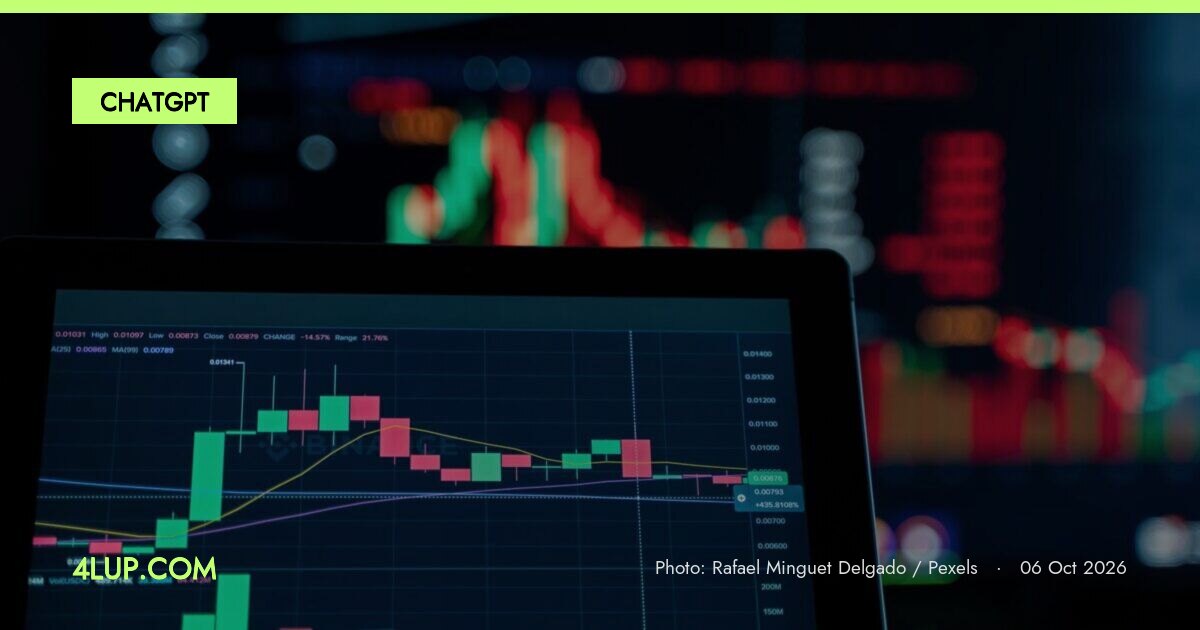
Lead image: Rafael Minguet Delgado / Pexels