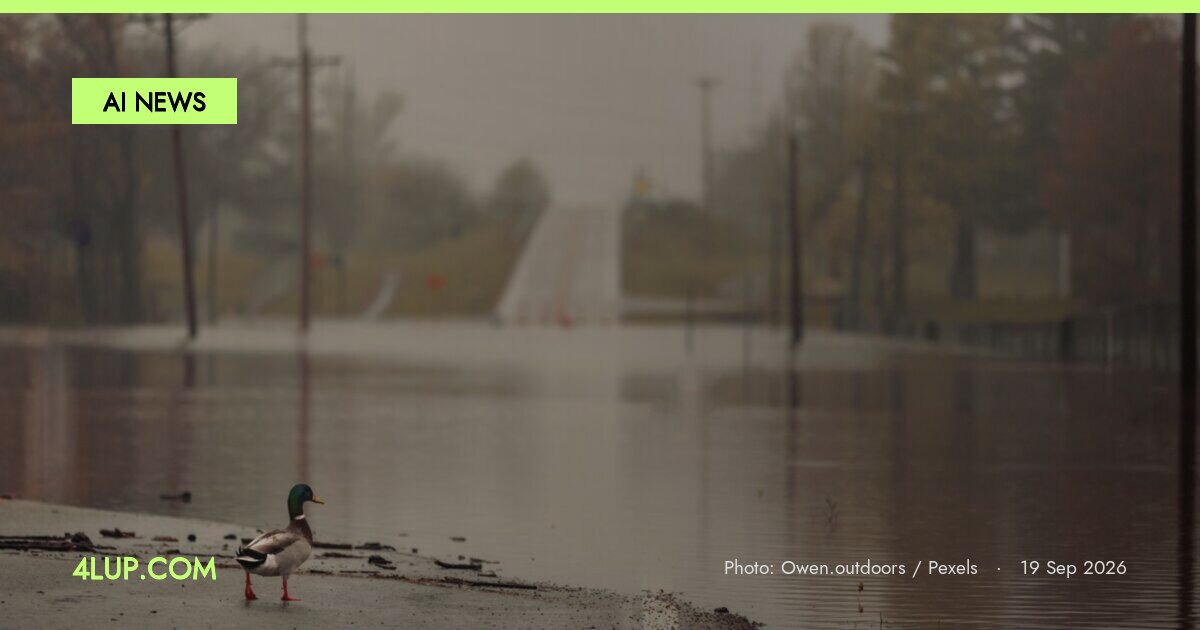
Recent reporting from The Verge has highlighted a significant development in disaster prevention technology specifically targeting the unpredictable nature of flash floods. The urgent need for more sophisticated warning systems was recently demonstrated in Lanesville, Indiana, a rural town near the Kentucky border. A local resident, Laura Lin, was working from home on June 9th and remained unaware that heavy rainfall was rapidly flooding her property until the water began to threaten her barn. This incident underscores a critical gap in current meteorological services: the inability to provide hyper-local alerts before water levels become dangerous.
The Role of Predictive Intelligence
Flash floods are notoriously difficult to forecast because they occur within a very short timeframe and are often influenced by highly specific local geography. Traditional weather models generally provide broad alerts for entire counties, which may not account for the unique drainage patterns of a specific rural yard or neighborhood. The introduction of artificial intelligence into this field allows for the processing of vast datasets, including real-time satellite imagery and soil saturation levels, at speeds human analysts cannot match. By identifying patterns that precede a flash flood, this technology seeks to provide the minutes of lead time necessary for residents to move to higher ground or secure their property.
Remaining Technical Uncertainties
While the potential for improved safety is clear, many specifics regarding this new technology have not been disclosed. The report did not specify the name of the organization or company responsible for the development, nor did it name the specific AI model or software architecture being utilized. It remains unclear whether this system is intended for use by government agencies like the National Weather Service or if it will be released as a consumer-facing application. Additionally, the announcement did not clarify the current accuracy rate of the predictions or the timeline for a broader rollout to other flood-prone regions.
As localized weather events become more frequent, the application of machine learning to emergency management represents a vital shift in how rural communities prepare for natural disasters.
Lead image: Owen.outdoors / Pexels