Alibaba has expanded its suite of open-weight artificial intelligence tools with the release of Qwen-Image-2.1. This new model, developed by the company’s Qwen team, focuses on the dual tasks of image generation and sophisticated editing. According to reporting by The Decoder, the model utilizes a 7-billion-parameter architecture, a size that Alibaba claims allows it to surpass the performance of more restrictive, closed-source models currently on the market.
Technical Features and Accessibility
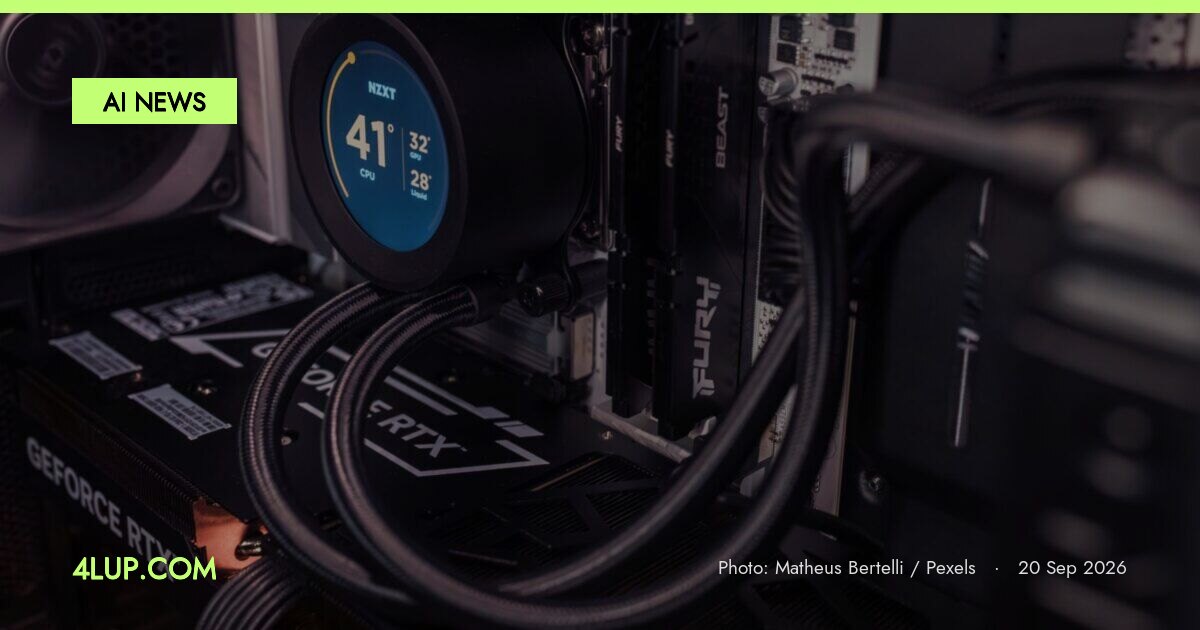
Qwen-Image-2.1 is designed to operate on high-performance consumer hardware, making it accessible to a broader range of developers than models requiring massive server clusters. The technical specifications include two notable functional additions: native support for transparency and the ability to process up to ten reference images in a single prompt. This multi-reference capability is intended to provide users with finer control over the style and content of generated outputs. By providing open weights, Alibaba allows the research community to inspect and run the model locally, provided they have a sufficiently powerful GPU.
Unknown Benchmarks and Licensing
The announcement did not specify the exact hardware configurations, such as minimum video memory, required to run the model effectively. Additionally, while the claim of beating closed models is central to the launch, the specific benchmarks or rival models used for this comparison were not disclosed in the initial reports. Potential users should also note the restrictive nature of the current release; the model is governed by a research license that explicitly prohibits commercial use. The announcement did not specify the terms, pricing, or application process for the separate commercial license required for business operations.
The release of Qwen-Image-2.1 marks another step in the proliferation of capable, mid-sized models from Chinese tech giants. Its success will likely depend on how well the research community can adapt its 7-billion-parameter framework to practical creative workflows.
Lead image: Matheus Bertelli / Pexels