According to arXiv cs.AI, researchers have published details regarding CLARA, a cognitively-driven clarification framework designed to help AI and robotics systems handle ambiguous requests. Large vision–language models frequently receive broad directives, such as instructions to clean a room or organize a desk. These commands often lack crucial details about user preferences or specific object arrangements. Without a mechanism to ask clarifying questions, models tend to overestimate their understanding and proceed with incomplete information.
The Challenge of Ambiguity in Vision-Language Models
As large vision-language models become more integrated into physical robotics and household assistants, managing vague human instructions remains a persistent hurdle. Standard training often encourages models to generate an immediate response or action rather than pausing to seek clarification. A framework like CLARA targets this gap by attempting to ground ambiguous prompts before the system executes a potentially incorrect physical task.
Unknowns and Future Implementation Details
The announcement did not specify the exact underlying architecture of CLARA, nor did it disclose which specific vision-language models were tested during evaluation. Furthermore, there is no information regarding computational overhead, latency impacts, or when the framework might be made available to developers. Future updates from the researchers may clarify these missing operational details.
Observers will need to watch for future academic publications or code releases to determine how effectively the framework performs in real-world deployment.
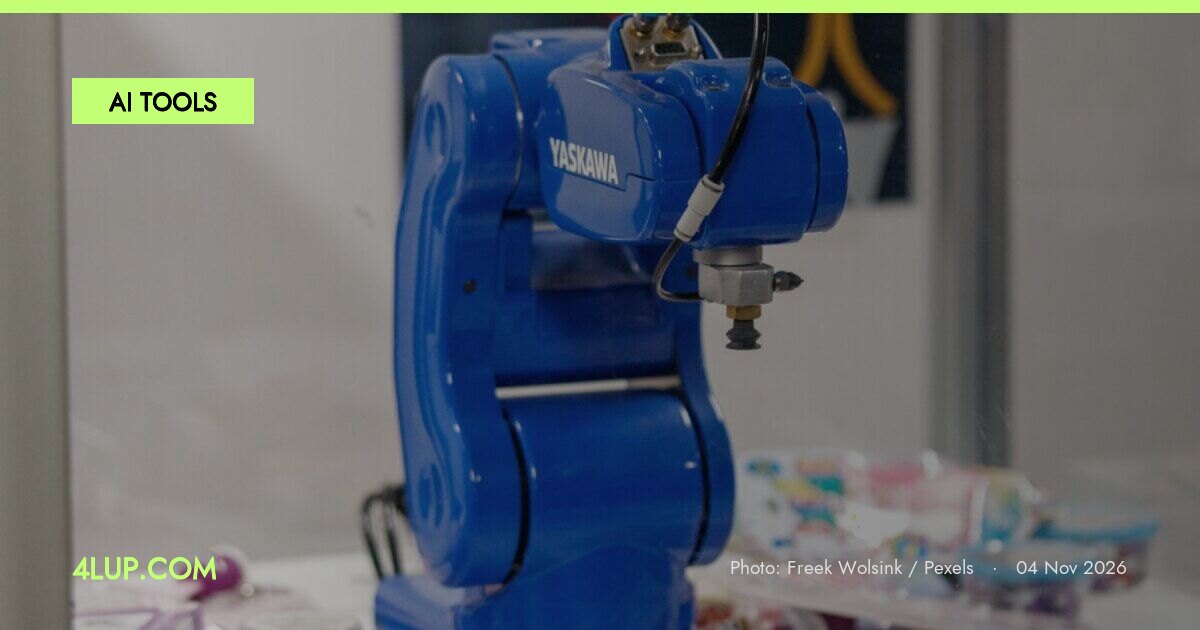
Lead image: Freek Wolsink / Pexels