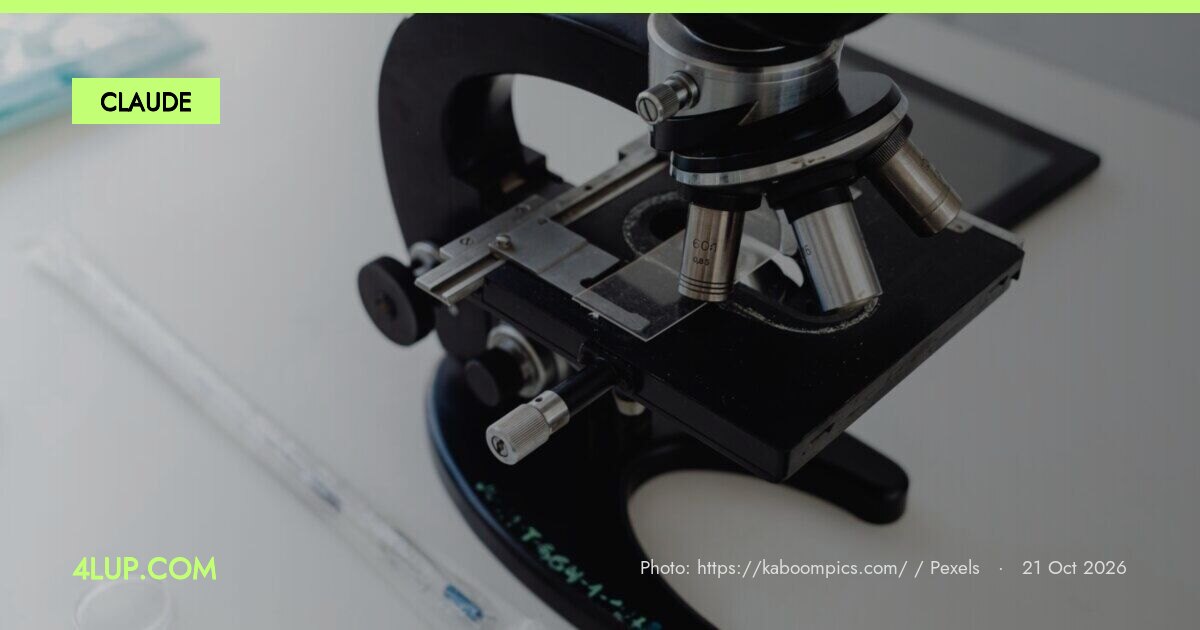
Anthropic’s Claude system has been utilized to independently design protein binders intended to target deadly scorpion neurotoxins. According to reporting by The Decoder, the AI generated more than 318,000 distinct designs, out of which a subset of 211 was selected for laboratory testing. From those tested, seventeen designs met the established criteria, with the two strongest showing extremely high binding affinity for Cn2, a specific toxin derived from a Mexican scorpion species.
The Intersection of AI and Protein Design
The application of large language models and artificial intelligence to structural biology represents a significant expansion in how computational tools are used in biochemistry. Rather than relying solely on traditional laboratory trial-and-error, researchers are increasingly turning to machine learning models to generate novel molecular structures from scratch. While the broader capabilities of systems like Claude are typically associated with text generation and coding, adapting these models for biological tasks demonstrates the versatility of contemporary AI architectures in addressing complex scientific problems.
Unresolved Questions in Antivenom Development
Despite the successful laboratory binding of the proteins to the Cn2 toxin, critical questions remain regarding their practical application. The announcement did not specify whether these engineered protein binders actually function effectively as a working antivenom in biological organisms. Furthermore, details regarding potential toxicity, manufacturing scalability, and upcoming in vivo testing phases were not disclosed in the available information. Observers will need to watch for future peer-reviewed publications or updates from the researchers to determine if these computational designs translate into viable medical treatments.
Further clinical data will be required to establish whether artificial intelligence-designed binders can move from laboratory curiosity to practical therapeutics.
Lead image: https://kaboompics.com/ / Pexels