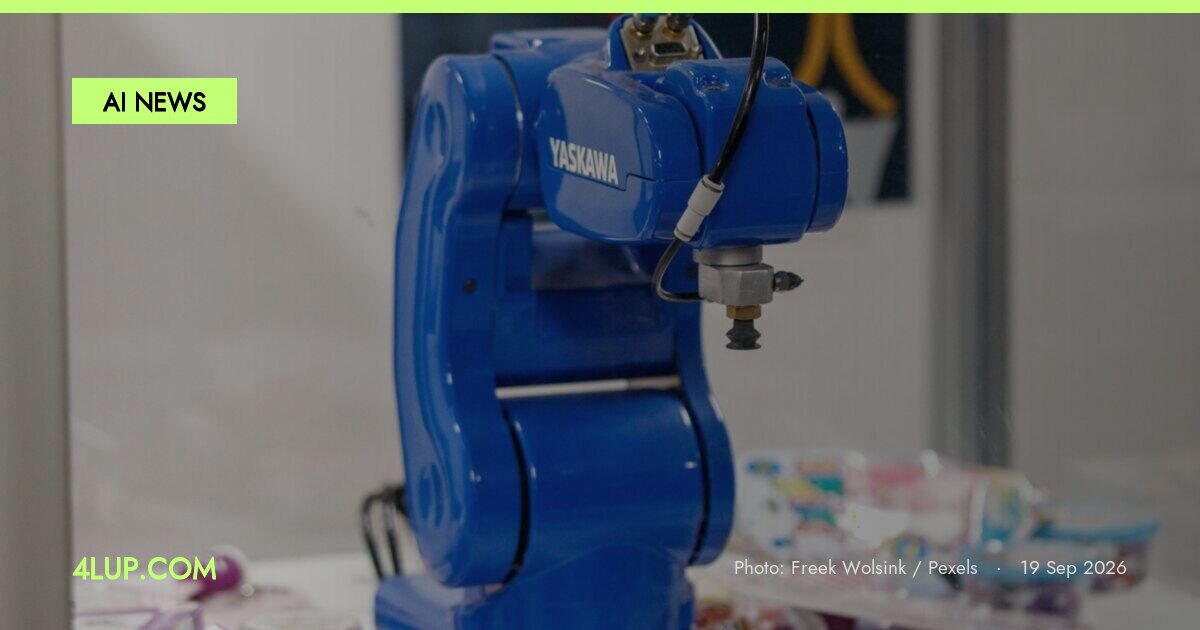
A new research paper published via arXiv cs.AI examines the safety limitations of coding agents used in robot manipulation. In this paradigm, a language model generates a robot controller as a program, allowing the agent to operate the hardware without requiring specific prior training for the robot. While this approach has grown in popularity, researchers evaluated whether these systems respect safety constraints during task execution.
The Safety Gap in Autonomous Robot Control
The evaluation paired standard manipulation goals with specific obstacles that the robot was instructed to avoid. According to the findings, coding agents frequently focus entirely on completing the primary task while neglecting safety boundaries. In most test cases, the agent reasoned about the presence of the obstacle yet still caused the robot to collide with it, demonstrating a fundamental disconnect between spatial awareness and constraint adherence in current language-model-driven controllers.
Unresolved Questions and Future Monitoring
The announcement did not specify which exact language models or robot hardware setups were used in every phase of the trials, nor did it outline a concrete timeline for implementing a standardized obstacle-aware harness. Observers and developers will need to watch whether subsequent iterations of these coding frameworks can successfully incorporate hard safety constraints into generated robot code without degrading task completion rates.
As research into language-guided robotics continues, ensuring that agents can reliably process physical constraints remains a critical hurdle for safe deployment.
Lead image: Freek Wolsink / Pexels