Destro AI has emerged with a distinct strategy for the automated systems sector, recently profiled by TechCrunch. Rather than focusing purely on hardware engineering, the company is prioritizing the interaction layer between human workers and automated machines. According to reports, the firm views itself primarily through a non-hardware lens.
The Advantage of Integration
In the broader artificial intelligence and automation industries, companies often struggle to bridge the gap between physical machine deployment and daily human workflows. By concentrating on getting humans and robots aligned, developers aim to reduce friction on factory floors and operational facilities. However, the announcement did not specify the exact software architecture or proprietary algorithms powering this interface.
Open Questions and Future Monitoring
Despite the coverage by TechCrunch, significant details remain unaddressed. The public disclosure lacked any technical specifications, pricing models, timelines for commercial rollout, or concrete case studies demonstrating performance metrics. Observers will need to watch for future updates to see how this human-centric approach translates into tangible deployment benchmarks.
As the automation landscape continues to evolve, companies attempting to bridge the gap between people and machines will face intense scrutiny regarding their practical efficacy.
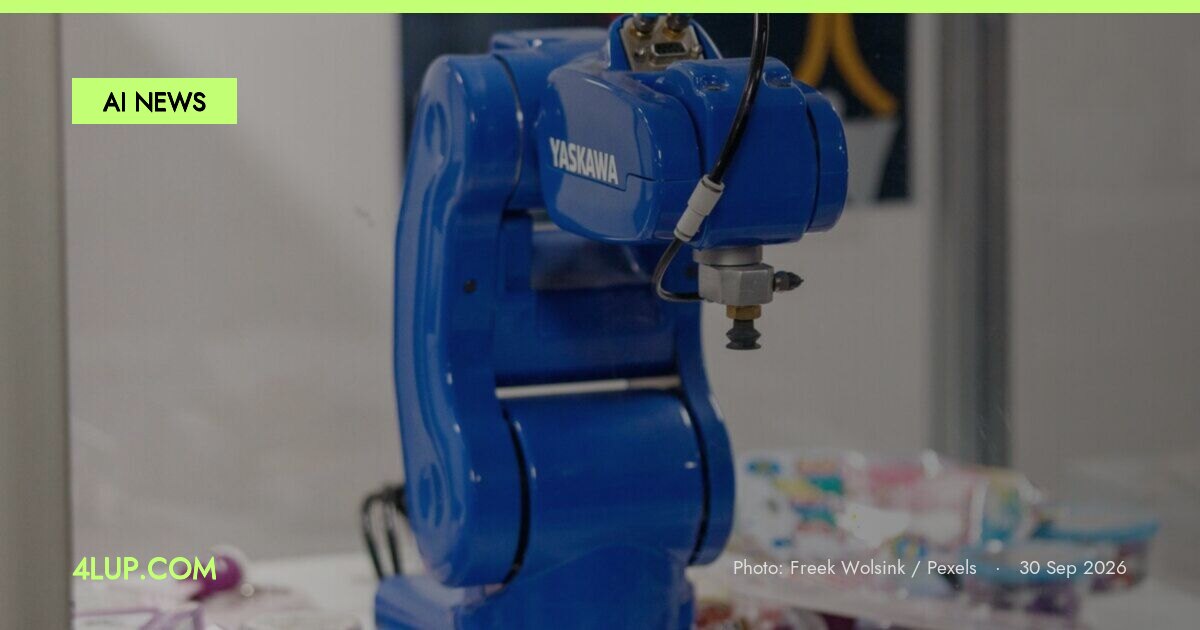
Lead image: Freek Wolsink / Pexels