Matthew Schwartz, a physicist at Harvard University, has utilized an open-source harness called BootLoops to facilitate scientific research using artificial intelligence. Using this tool in conjunction with the Claude model, Schwartz generated 36 manuscripts across 18 distinct academic fields—ranging from particle physics to linguistics—within a three-month period. The development, as reported by The Decoder, highlights a new workflow for integrating large language models into specialized academic writing.
Human Expertise in AI-Assisted Science
The project represents an attempt to bridge the gap between large language models and the precision required for scientific inquiry. While these models are capable of generating text rapidly, their utility in technical fields is often limited by a lack of rigorous accuracy. BootLoops is designed to support models in performing more precise scientific calculations, yet Schwartz found that the raw output frequently required significant intervention. The results only gained scientific value once they were reviewed and refined by human specialists. This suggests that while AI can serve as a powerful drafting tool, it currently functions best as a collaborator rather than an autonomous researcher.
Technical Specifications and Peer Review
The announcement did not specify the exact technical architecture of the BootLoops harness or the specific mechanisms it uses to improve calculation accuracy. Furthermore, it is unclear which specific versions of the Claude model were employed during the three-month project. The reporting did not detail the peer-review status of the 36 manuscripts or whether any have been accepted for publication in established academic journals. It also remains unknown if the BootLoops tool will be integrated into existing laboratory software or remain a standalone open-source project. Future analysis will be required to determine if this high volume of output can be sustained without sacrificing the depth of the research.
As Schwartz emphasized, researchers using these tools must maintain rigorous oversight, advising peers to “look at everything yourself.” The reliance on human expertise indicates that while AI can accelerate the drafting process, it cannot yet replace the critical judgment of a specialist.
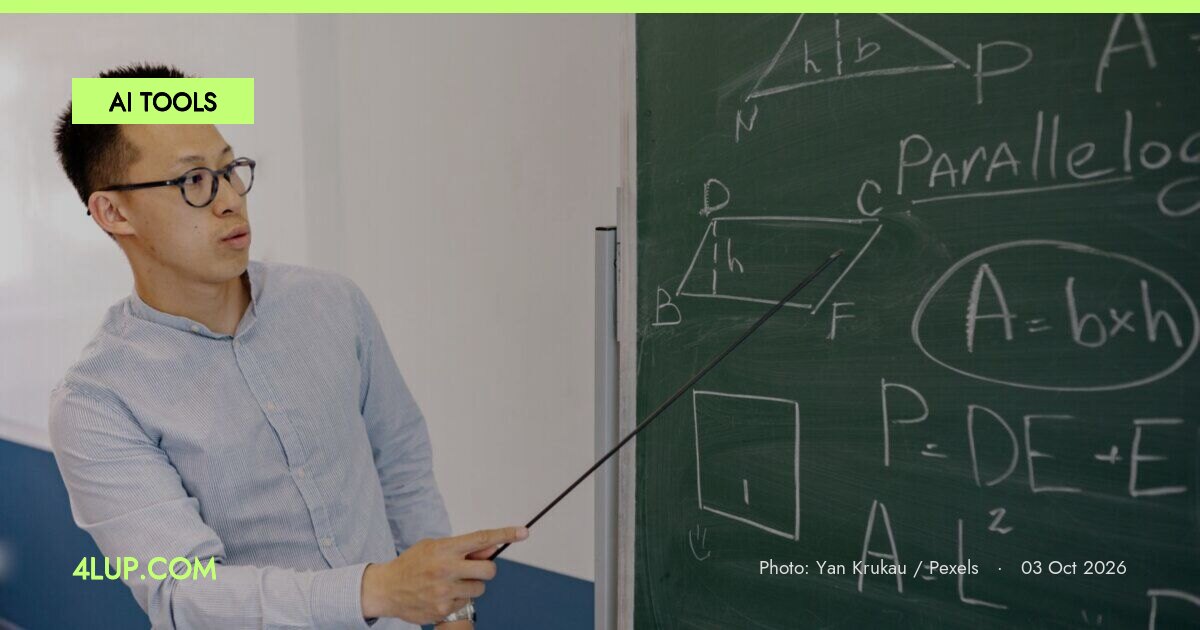
Lead image: Yan Krukau / Pexels