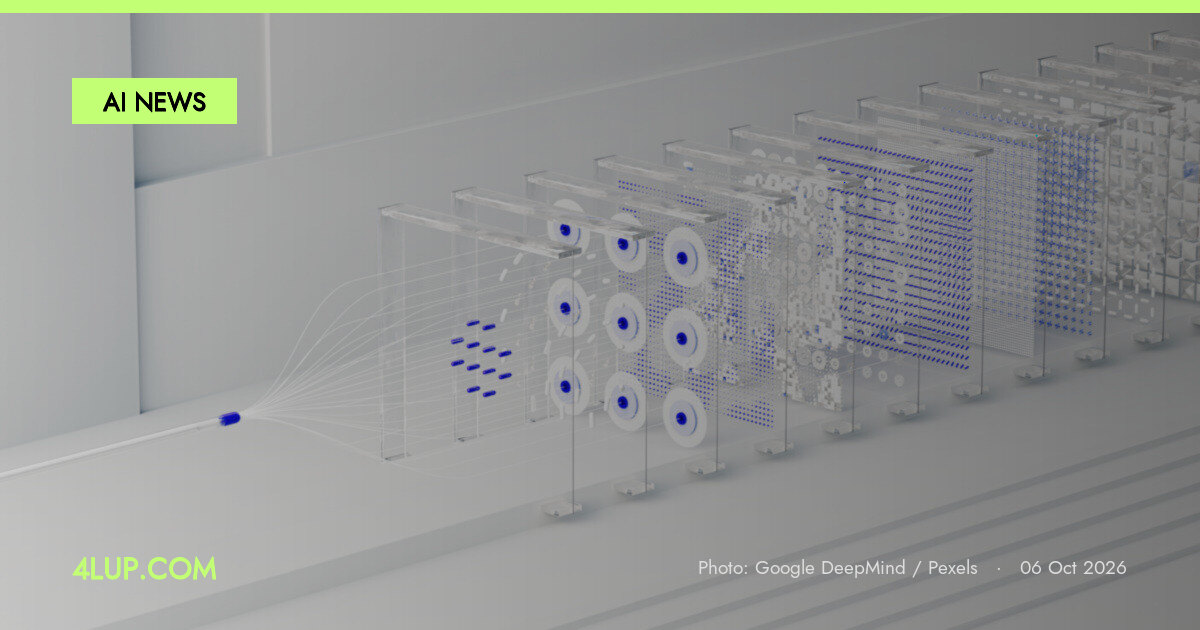
A new machine learning approach called JEPA-Anything has been introduced to handle world modeling across multiple domains using a single unified recipe. According to recent reports by MarkTechPost, the architecture modifies traditional Joint Embedding Predictive Architectures by splitting a single latent target into four orthogonal factors, each managed by its own dedicated predictor. In experimental evaluations spanning seven distinct domains, this configuration outperformed matched baseline models across all ten dynamics tasks. Furthermore, the architecture reportedly reduced intervention error in Interventional Pong by 34.8 percent.
The Significance of Unified World Models
World models are designed to help artificial intelligence systems simulate and predict how environments change over time, a core requirement for advanced reasoning, robotics, and sequential decision-making. Historically, these models have relied on domain-specific tuning, requiring distinct structural modifications for different physical or simulated environments. By applying a single standardized recipe across seven varied fields, this development points toward more generalized architectures that can learn system dynamics without requiring bespoke engineering for every new application area.
What Remains Unclear
Despite the performance metrics provided in the initial reports, several operational details have not been disclosed. The announcement did not specify the exact computational resource requirements needed to train or deploy JEPA-Anything, nor did it detail the specific characteristics of the seven fields tested. Additionally, the broader release timeline and the availability of code or model weights remain unknown at this stage.
As research into generalized predictive architectures continues, observers will be watching to see how well these findings translate beyond controlled experimental tasks and into real-world robotic deployment.
Lead image: Google DeepMind / Pexels