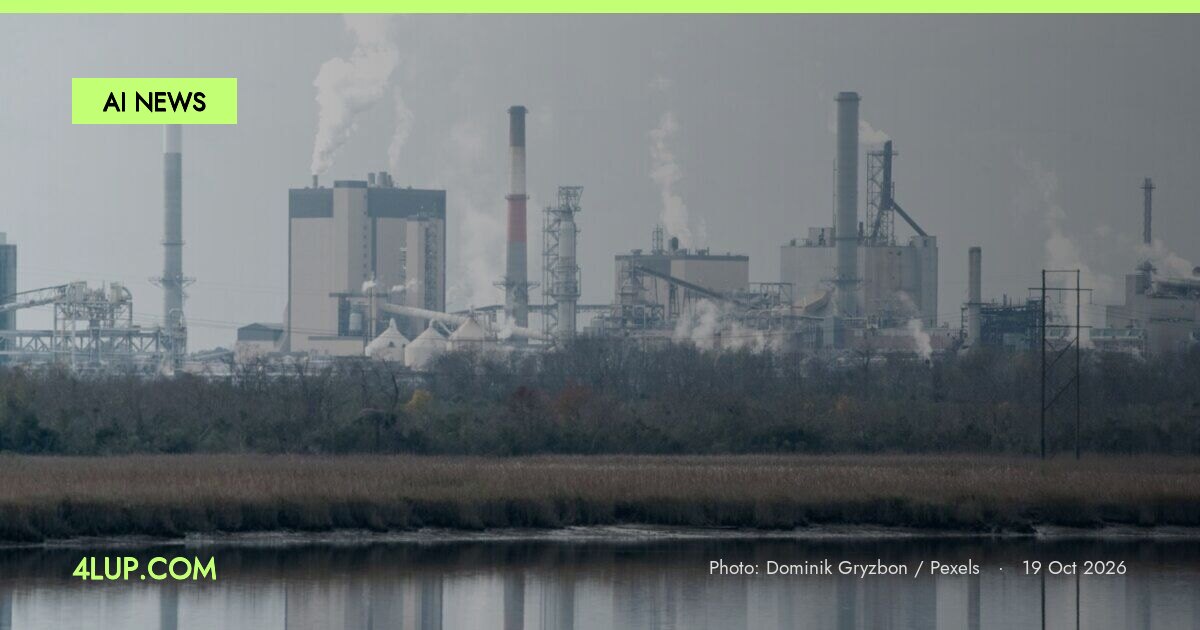
According to a report covered by The Verge, the United States is currently constructing more fossil fuel infrastructure than it has in a decade. This development coincides with a slowdown in the growth of renewable energy sources across the country. At the same time, national electricity demand is climbing at its fastest rate in over ten years, driven by new factories, electric vehicles, and power-hungry data centers connecting to the electrical grid.
The Energy Needs of Modern Technology
The rapid expansion of artificial intelligence infrastructure and industrial electrification has placed unprecedented stress on power grids. Data centers require massive, continuous electricity supplies to train and operate large AI models. While tech companies have frequently pledged to power these operations with clean energy, the immediate reality of surging demand has forced a heavy reliance on traditional power generation methods to prevent shortages.
Unanswered Questions in the Energy Shift
Many critical details regarding this infrastructure push remain unaddressed. The report did not specify the exact geographical locations where these new fossil fuel projects are being built, nor did it break down the precise percentage of increased grid load coming from artificial intelligence workloads versus traditional manufacturing and transportation. Furthermore, the announcement did not specify how long this reliance on accelerated fossil fuel development is projected to last, leaving the long-term impact on climate targets unmeasured.
As power consumption continues to climb, policymakers and energy regulators face mounting pressure to balance immediate grid reliability with long-term environmental commitments.
Lead image: Dominik Gryzbon / Pexels