Researchers have introduced HIL-UMI, a framework designed to bring human-in-the-loop post-training methodologies to the Universal Manipulation Interface for vision-language-action models. According to a recent arXiv cs.AI report, the system is intended to address adaptation hurdles when deploying large-scale models to specific robotic tasks. Standard supervised fine-tuning often struggles with out-of-distribution states and fails to separate successful trajectories from suboptimal demonstrations. Interactive training methods have historically required repeated physical execution and direct human intervention, creating operational bottlenecks.
The Role of Vision-Language-Action Models in Robotics
Large-scale vision-language-action models serve as foundational priors for robotic manipulation, translating visual inputs and textual instructions into physical motor actions. Adapting these expansive models to specialized real-world environments remains a core challenge in robotics research. While static demonstration datasets offer a baseline for supervised learning, they frequently lack the coverage needed to handle unexpected errors or novel environments encountered during live deployment. Post-training techniques seek to bridge this gap by allowing models to refine their behavior dynamically through interactive feedback.
Open Questions and Unresolved Details
The announcement did not specify the hardware infrastructure required to run HIL-UMI, nor did it disclose benchmarks detailing performance improvements over existing baseline models. Furthermore, the report did not outline the exact mechanisms used to handle human intervention frequency or scalability limits during interactive loops. Observers will need to monitor future disclosures to determine how these post-training workflows perform across different robotic hardware setups and varying task complexities.
Further technical papers or software releases will be necessary to clarify the broader applicability of this approach in commercial robotics.
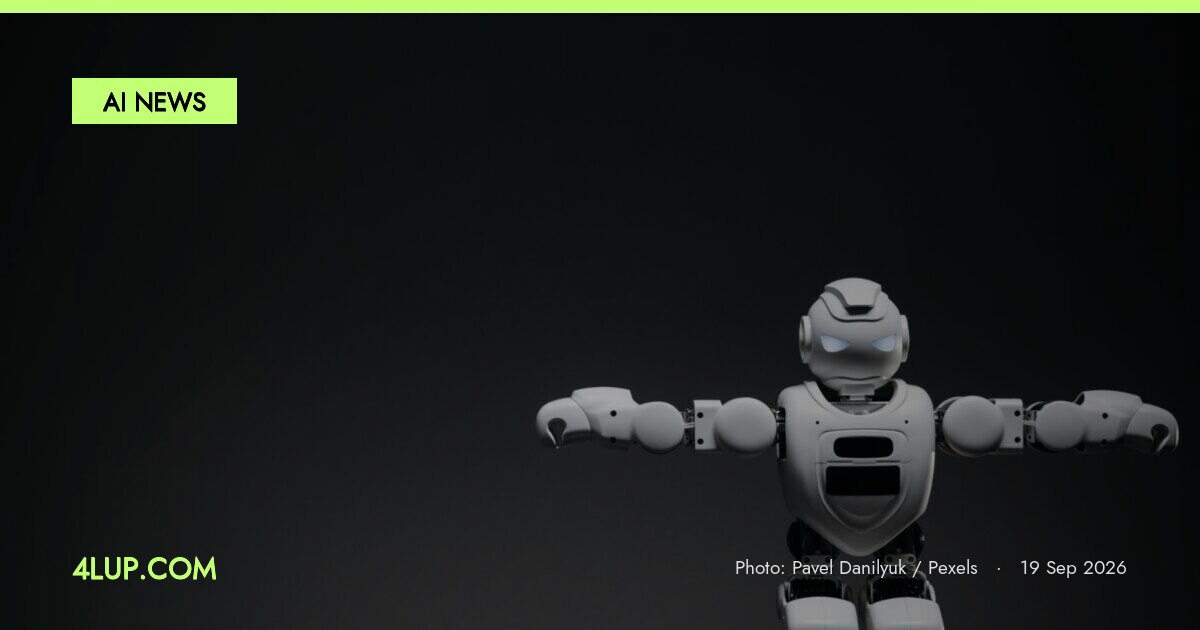
Lead image: Pavel Danilyuk / Pexels